
British citizenship is the ultimate goal for many people who have made the United Kingdom their home. It brings with it the right to a British passport, the right to vote in all UK elections, the freedom to live in the UK permanently without any immigration conditions, and the ability to pass citizenship to children born outside the UK.
But the naturalisation process is not automatic. It requires careful preparation, precise documentation, a thorough understanding of the eligibility requirements, and — in some cases — careful management of issues that might affect the good character assessment.
At Immigration Lawyers Advice, our British citizenship lawyers in London guide clients through every stage of the naturalisation and registration process — from initial eligibility assessment through to the citizenship ceremony.
How It Works
Your Routes to British Citizenship
Naturalisation as a British Citizen (Standard Route)
Naturalisation is the most common route to British citizenship for adults who have settled in the UK. To be eligible, you must:
- Hold indefinite leave to remain (ILR) or EU Settled Status for at least 12 months at the date of application — unless you are married to or in a civil partnership with a British citizen, in which case this 12-month qualifying period may not apply
- Have lived in the UK for at least 5 years immediately before the date of application (3 years if married to or in a civil partnership with a British citizen)
- Not have been absent from the UK for more than 450 days in the 5-year qualifying period (or 270 days in the 3-year period for spouse-of-British applicants)
- Not have been absent from the UK for more than 90 days in the 12 months immediately before the application date
- Pass the Life in the UK test
- Meet the English language requirement at B1 CEFR level or above
Be of good character
Registration as a British Citizen
Registration is available to specific categories of person who have an entitlement or discretionary right to register — rather than naturalise — as British. This includes:
- Children born in the UK to a parent who subsequently became British or settled
- Children born abroad to British parents who were themselves born abroad (British by descent who want their children to be British)
- Adults who were previously British citizens and wish to resume citizenship
- Certain British Overseas Citizens, British Nationals (Overseas), and other categories of British national who wish to acquire full British citizenship
Registration requirements vary significantly by category — legal advice is essential to confirm which route applies to your specific circumstances.
British Citizenship by Descent
If you were born abroad to a British parent, you may be entitled to British citizenship by descent. The rules governing this route are complex and depend on: when you were born, whether your British parent acquired their citizenship by descent or otherwise, and whether any registration requirements were met at the time of your birth.
Character Requirement
The Good Character Requirement
Every naturalisation application is assessed against a good character requirement. The Home Office considers a wide range of factors, including:
Criminal record
including convictions, cautions, and pending proceedings in the UK and overseas
Financial soundness
including outstanding tax liabilities or involvement with HMRC investigations
Immigration history
including previous overstays, breaches of conditions, use of deception in past applications, and periods of unlawful presence
Notoriety
involvement in activities that bring the UK into disrepute
A criminal conviction or immigration issue does not automatically bar naturalisation — but the nature, recency, and sentence imposed are all relevant factors. We advise on how best to present complex character histories and, where relevant, whether to wait before applying.
Life in the UK
The Life in the UK Test
Most adults applying for British citizenship or indefinite leave to remain must pass the Life in the UK test. It is a 24-question, multiple-choice exam covering British history, culture, values, and government, administered at approved test centres across the UK.
Key points about the test:
- The test must be booked and passed before your naturalisation application is submitted — not afterwards
- A pass certificate is valid for life — it does not expire and does not need to be retaken
- The pass mark is 75% — you must answer 18 of 24 questions correctly
You can book and retake the test as many times as needed, but each attempt requires a new booking and fee

Health and Care Worker Visa
Applicants must demonstrate English language ability at B1 CEFR level or above. This can be evidenced by:
- An approved Secure English Language Test (SELT) certificate — such as Trinity College London GESE or IELTS for UKVI
- A degree, diploma, or postgraduate qualification taught and assessed in English (UK or overseas institution)
- Nationality from a majority English-speaking country as defined by the Home Office
A UK GCSE, A-Level, or Scottish National Qualification in English language or literature
Absences — The Qualifying Period Calculation
The absence calculation for naturalisation is frequently misunderstood. Two separate absence limits apply:
- 450 days total — the maximum number of days you may have been absent from the UK across the full 5-year qualifying period
- 90 days maximum — the maximum absences permitted in the 12 months immediately before the application date
Both limits must be satisfied independently. We calculate your absences using your full passport history and advise on the correct application date — sometimes waiting an extra few weeks makes the difference between approval and refusal.
How Long Does British Naturalisation Take in 2026?
The Home Office target processing time for naturalisation applications is approximately 6 months from the date of submission. In practice, straightforward applications are often decided within 3–4 months. Complex cases — involving criminal disclosures or unusual immigration histories — may take longer.
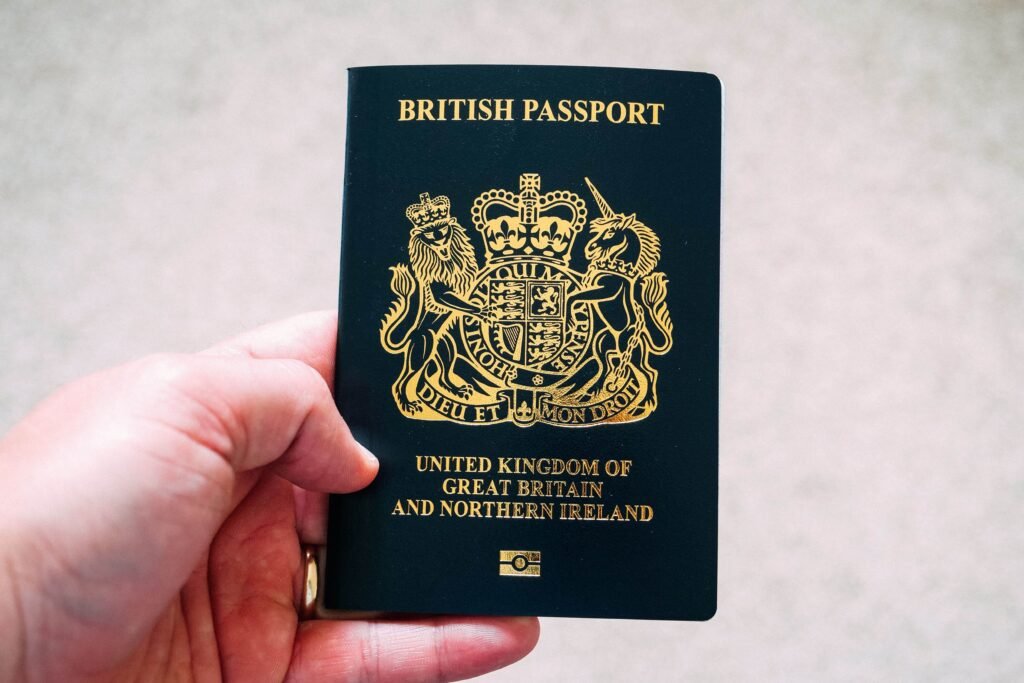
Once approved, you will be invited to attend a citizenship ceremony within three months. At the ceremony, you will take the Oath of Allegiance and Pledge, receive your Certificate of Naturalisation, and be registered as a British citizen. You can then apply for your first British passport.
Dual Citizenship and British Nationality
The United Kingdom permits dual nationality — meaning you can hold both British citizenship and citizenship of another country simultaneously. However, not all countries allow their nationals to hold additional citizenship. We strongly recommend checking your home country’s rules before naturalising — some countries automatically revoke citizenship upon naturalisation elsewhere.
FAQ
Frequently Asked Questions
A: You must typically hold ILR for at least 12 months before applying (3-year qualifying period for spouses of British citizens). Processing takes approximately 6 months. The total journey from ILR to receiving your naturalisation certificate is typically 12–18 months.
A: You must demonstrate English at B1 CEFR level via a Secure English Language Test, a qualifying UK or overseas degree, or other approved means. Your adviser will confirm the most straightforward and cost-effective evidencing route for your specific situation.
A: The UK allows dual nationality. However, you must check the rules of your home country — some countries revoke citizenship automatically upon naturalisation elsewhere. We recommend obtaining advice from a lawyer in your home country before naturalising.
A: Yes, for most adults applying for naturalisation or ILR (with limited exemptions for those over 65 or with long-term physical or mental conditions). The test must be completed and passed before submitting your citizenship application.
A: Naturalisation is the standard route for settled adults with the required qualifying period. Registration applies to specific categories — including children born in the UK and certain descendants of British citizens — where there is an entitlement or discretionary right to citizenship independent of the standard qualifying period.
A: The Home Office assesses criminal record, tax compliance, immigration history, and other factors. A criminal conviction does not automatically disqualify you — but recency, nature, and sentence are all considered. All convictions and cautions, including those in other countries, must be disclosed.
A: Yes — holding ILR means you can travel freely. However, extended absences during the processing period will not affect the outcome as long as the qualifying period absences are satisfied at the date of application. Discuss your travel plans with your adviser before submitting.