
Receiving a UK visa refusal is a deeply stressful experience. But for applicants whose refusal was the result of a Home Office error — a misapplied Immigration Rule, a factual mistake, or evidence that was simply overlooked — an administrative review offers a targeted, cost-effective remedy.
An administrative review is a formal process in which the Home Office reassesses the original decision — not before an independent court, but by a different caseworker within the Home Office. It is not a general reconsideration of the case. It is specifically a challenge to an identified error in the original decision.
At Immigration Lawyers Advice, our administrative review advisers analyse refusal notices with precision, identify the legal and factual errors in the Home Office’s decision-making, and prepare detailed review applications that give your case the best possible chance of success.
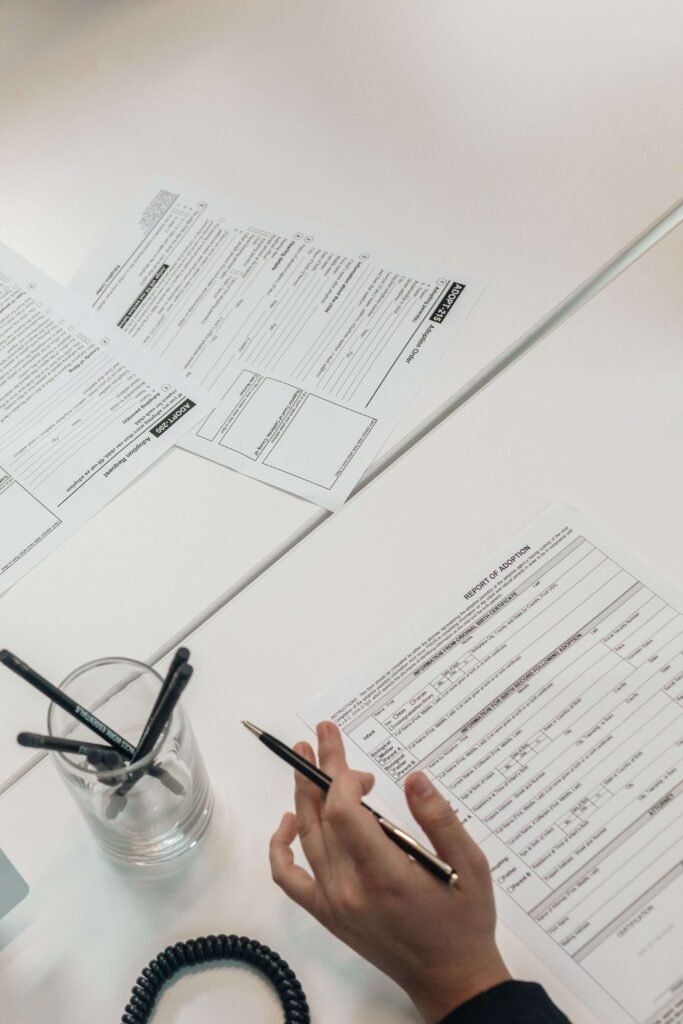
What Is an Immigration Administrative Review?
Administrative review was introduced as the primary statutory remedy for most PBS and in-country refusals when appeal rights were significantly curtailed by the Immigration Act 2014. It replaces an appeal to the Tribunal in cases where no human rights or protection claim is engaged.
The review fee (as of 2026) is £80 — significantly lower than an immigration appeal. If the review is successful, the fee is refunded. The Home Office aims to complete administrative reviews within 28 days of receipt.
When Is Administrative Review Available?
Administrative review is available for:
- In-country refusals of leave to remain applications (including PBS refusals, spouse visa extensions, ILR applications, and most other in-country decisions)
- Entry clearance refusals (certain categories) where a caseworking error is alleged
- EU Settlement Scheme refusals — alongside the separate right of EUSS appeal
- Curtailment decisions in some circumstances
It is not available for: decisions made by the Secretary of State personally, asylum decisions, decisions that carry a full right of appeal on human rights grounds, or port decisio
Valid Grounds for Administrative Review
Valid Grounds for Administrative Review
A valid administrative review application must identify a specific caseworking error. Accepted grounds include:
Incorrect application of the Immigration Rules
the caseworker misapplied the legal requirements of the relevant Immigration Rule
Factual error
the caseworker relied on an incorrect fact, misread a date, misidentified a document, or otherwise reached a decision based on wrong information
Failure to consider relevant evidence
the caseworker failed to take into account evidence that was included in the application bundle
Incorrect calculation
an arithmetic or methodological error in calculating qualifying periods, financial thresholds, or points scores
Critically, an administrative review is not an opportunity to submit new evidence or arguments that were not in the original application. If new evidence is required to address a refusal, a fresh application is usually the more appropriate route.
Administrative Review vs Immigration Appeal — Which Should You Choose?
Choose Administrative Review If:
- You can identify a specific factual or legal error in the Home Office’s decision
- Your refusal is for a PBS application, spouse visa extension, ILR, or other in-country decision without full appeal rights
- Speed and cost are priorities — the review fee is £80 and decisions are typically made within 28 days
Choose Immigration Appeal If:
- Your human rights are engaged — for example, Article 8 (right to family life or private life)
- You have an asylum or protection claim
- Your EUSS application was refused — EUSS refusals carry a distinct right of appeal
- You are challenging a decision that carries full statutory appeal rights
In some cases, both routes are technically available. Choosing the right one — and in the right order — can be strategically important. We advise on this with care.
Our Process Step by Step
The Administrative Review Process
Step 1
Refusal Notice Analysis
We read the refusal notice in full, identify every reason given for the refusal, check these reasons against the Immigration Rules and the evidence submitted, and assess whether a caseworking error is present.
Step 2
Review Application Preparation
We draft the administrative review application, clearly identifying the specific error(s), citing the relevant Immigration Rules provisions, and referencing the evidence that supports the challenge.
Step 3
Submission Within Deadline
The deadline for submission is strict: 14 days from the refusal notice (for applicants in immigration detention) or 28 days (for all other applicants). Missing the deadline forfeits the right to review entirely.
Step 4
Decision and Next Steps
If the review is successful, the refusal decision is set aside and leave is granted. If the review is not upheld, we advise on whether fresh application or a human rights appeal is the appropriate next step.
Common Errors Found in Refused Applications
Our advisers frequently identify the following caseworking errors in refusal notices presented to us by clients:
- Financial threshold miscalculated — the caseworker applied the wrong income formula or excluded qualifying income
- Evidence overlooked — documents submitted in the original bundle that were not referenced or considered in the refusal
- Wrong occupation code applied — the caseworker assessed the salary against the wrong SOC code
- Date errors — an incorrect start date, qualifying period start point, or calculation of continuous residence
Wrong format English language test rejected — where a valid test was refused on incorrect grounds
FAQ
Frequently Asked Questions
A: It is a formal mechanism to challenge a visa refusal where the Home Office has made an error of fact or law. It is assessed internally by a different Home Office caseworker — not by an independent court.
A: The Home Office targets 28 days from receipt. In practice, some cases take longer — particularly where the original refusal involves complex legal issues.
A: The fee is £80 as of 2026. If the review is successful and the refusal is overturned, this fee is refunded.
A: Generally, no. Administrative review is confined to assessing whether an error was made based on the evidence as it was at the time of the original decision. New evidence typically requires a fresh application.
A: That depends entirely on the nature of your refusal. Administrative review is faster and cheaper and is appropriate where a specific caseworking error can be identified. Appeals are appropriate for human rights, protection, and EUSS cases. We advise on which is correct for your situation.
A: An unsuccessful review does not prevent you from submitting a fresh application or, in appropriate cases, pursuing a human rights appeal. We advise on the best next step after reviewing the outcome.
A: Port refusals operate under a different regime. Administrative review is primarily available for in-country and entry clearance refusals in the categories described above. We advise on the specific options available following a port refusal.